Starting a flower farm sounds dreamy.
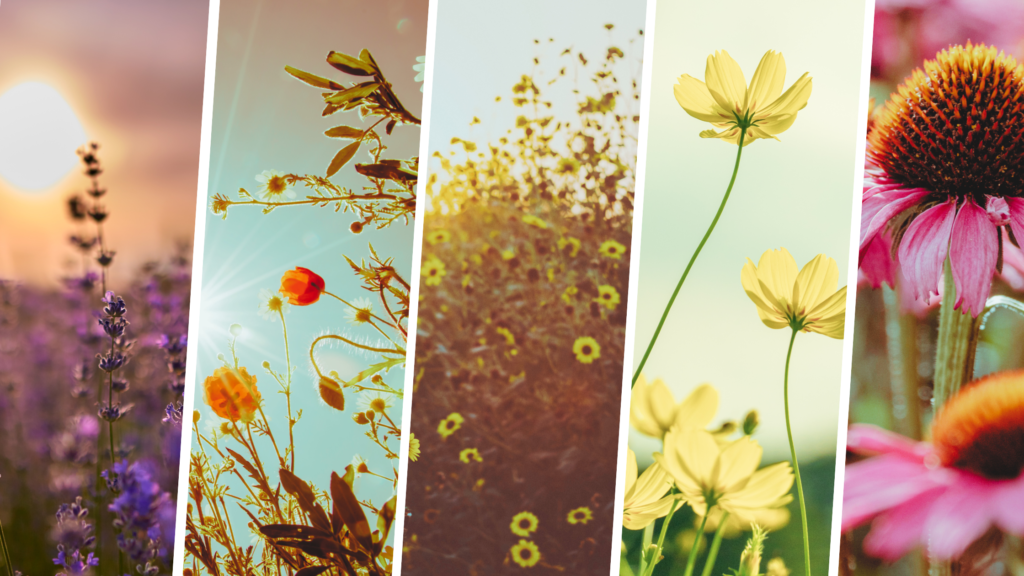
It often begins with an image. A farmer walking through waist-high blooms at golden hour, fingertips grazing the tops of the flowers. A massive armful of stems so full it nearly hides their face. The kind of moment that looks effortless, joyful, and abundant.
But here’s the truth that many new growers learn the hard way: a flower farm is not defined by what you grow. It is defined by what you sell.
In 2026, interest in locally grown flowers, sustainable agriculture, and small-scale farming continues to rise. That makes this an exciting time to start a flower farm. It also makes it easier than ever to confuse a productive garden with a viable business.
This guide walks through how to start a flower farm the right way, with equal attention paid to growing flowers and selling them. You’ll learn how to move from idea to plan, how to avoid common first-year mistakes, and how to set yourself up as a flower farmer, not just a grower.
What Does It Actually Mean to Start a Flower Farm?
Starting a flower farm means growing flowers intentionally for sale. It is a business built around production, marketing, and consistent sales, not just the act of growing beautiful plants.
This distinction matters.
If you love growing flowers for yourself, your friends, or your yard, that is wonderful. A garden can be deeply fulfilling. A flower farm, however, requires a different mindset. Without a plan to sell your flowers, you do not have a farm. You have an expensive hobby.
There is nothing wrong with either path. The key is being honest about which one you want.
Why 2026 Is a Smart Time to Start a Flower Farm
Consumers are paying more attention to where their flowers come from. Farmers markets, flower subscriptions, local florists, and direct-to-consumer sales models continue to grow. Many buyers actively seek out locally grown flowers and are willing to pay for quality, freshness, and story.
At the same time, new flower farmers have access to better tools, education, and shared knowledge than ever before. You no longer need to figure everything out alone.
Starting a flower farm in 2026 means you can build a business that is small, focused, and aligned with your life, rather than chasing scale for its own sake.
Step 1: Decide What Kind of Flower Farm You Want to Run
Before you choose seeds, land, or a business name, get clear on your goals.
Ask yourself:
- Do you want this to be a full-time or part-time business?
- How important is profitability in the first year?
- Where do you want to sell your flowers?
- How much time can you realistically commit each week?
Your answers shape every decision that follows. A quarter-acre farm selling bouquets at a farmers market looks very different from a grower supplying florists or event designers.
Clarity here acts like good soil. It supports everything that grows next.
Step 2: Research How You Will Sell Your Flowers First
One of the biggest mistakes beginner flower farmers make is focusing entirely on how to grow flowers before figuring out how to sell them.
Before you plant anything, research your market.
- Visit local farmers markets and observe what sells
- Talk to florists about what they buy and what they struggle to source
- Pay attention to pricing, bouquet sizes, and presentation
- Look for gaps, such as seasonal shortages or unmet demand
This research helps you grow with purpose. You are not just planting flowers you like. You are planting products people already want to buy.
Step 3: Choose a Flower Farm Business Name
Your business name is often a customer’s first impression of your farm. It affects branding, searchability, and trust.
A strong flower farm name is:
- Easy to spell and pronounce
- Meaningful or tied to place, values, or story
- Flexible enough to grow with your business
Before committing to a name, check that the domain and social media handles are available and confirm business name availability in your state.
Choosing a name early allows you to build recognition consistently across your website, email list, and marketing materials.
Step 4: Create a Simple First-Year Flower Farm Plan
You do not need a complicated business plan to start a flower farm, especially in your first year. You do need a realistic one.
Your first-year plan should include:
- How much land you will grow on
- The main flower varieties you will focus on
- Your primary sales channels
- Startup costs and ongoing expenses
- Revenue goals that match your scale and experience
Many first-year flower farmers break even or operate at a small loss while learning systems and building soil. That is normal. The goal is progress, not perfection.
If you’re still in the idea stage, Flower Farming for Beginners: What to Know Before You Plant Anything walks through the key decisions to make before you ever start seeds.
Step 5: Start Small on Purpose
More flowers do not automatically mean more profit.
Starting small allows you to:
- Learn your land and climate
- Refine planting and harvest systems
- Test sales channels without overwhelm
- Reduce waste and burnout
Choose a core group of reliable, high-performing flowers and focus on growing and selling them well. Expansion can come later.
Step 6: Set Up Systems That Support Selling
A flower farm succeeds when growing and selling work together.
Early systems to think through include:
- Seed starting and planting schedules tied to sales dates
- Harvest routines that prioritize freshness and quality
- Simple post-harvest handling and storage
- Order tracking and customer communication
- Basic record keeping for yields and sales
These systems do not need to be perfect. They need to be consistent. Systems free up mental space so you can focus on customers, not constant problem solving.
Step 7: Build an Online Presence for Your Flower Farm
Even if you sell primarily in person, your website matters. It builds credibility and helps customers find you.
At a minimum, your flower farm website should clearly explain:
- What you grow and how you sell it
- Where you are located
- How customers can buy from you
- How to stay in touch, such as an email list
Over time, publishing helpful content related to flower farming, seasonal availability, and local flowers helps build trust and search visibility. Your site becomes a resource, not just a digital business card.
Step 8: Price Your Flowers Like a Business
Pricing is one of the hardest skills for new flower farmers to develop, and underpricing is extremely common.
When setting prices, consider:
- Seed and supply costs
- Labor and time
- Market fees and overhead
- Your local market pricing
Your prices should support the business you want to run, not just cover costs. Sustainable pricing allows you to continue growing, learning, and showing up for customers.
Step 9: Learn From Your First Season and Adjust
Your first year as a flower farmer is about learning.
Track what sells well, what struggles, and how much time different tasks take. Notice what feels energizing and what feels draining. These insights are more valuable than any single harvest.
Documenting your experience turns trial and error into strategy.
Step 10: Use Trusted Resources and Community Support
You do not have to figure this out alone.
Learning from experienced growers, using proven tools, and tapping into supportive communities saves time and prevents costly mistakes. The right resources help you focus on what matters most: growing flowers people want to buy and building a business that works for you.
A Final Thought Before You Start
Those dreamy images that draw people to flower farming are not wrong.
Walking through your fields as the light shifts at the end of the day. Harvesting armloads of flowers you can barely carry. Feeling proud of what you’ve built and what it supports.
Those moments can exist. But they are not the starting point.
They come after decisions, systems, sales conversations, and seasons of learning. They come from treating flower farming as a business, not just a beautiful idea.
By focusing on both growing and selling, by starting small, planning intentionally, and building systems that support your goals, you give yourself the chance to reach those moments honestly and sustainably.
The goal is not just flowers in the field.
It is flowers in someone’s hands, and a farm that supports the life you want to live.
customer experience for flower farmers first year flower farmer floral business CX flower farm business flower farm customer service flower farming for beginners starting a flower farm